
I started the series of Workout Wednesday’s with beginner level workouts for those starting out and regular people. Eventually I will build out more for people who are muscle bound later who need higher levels; however, one of the biggest thing for geriatrics and therapy patients is joint stability. For me the ankle joint is far more close to home as I have had 4 surgeries on my ankles. Specifically the stability of your mobility joints. As joints go in series through the body we have alternating stability and mobility joints. From the feet we have mobility in our toes, but stability through the foot, mobility at the ankle, stability at the knee, and mobility at the hip. For your stability joints the focus of stability is found in nutrition, but for your mobility joints you can improve strength excercise.

If you want to redo the same research that I have done to figure out how to strengthen soft tissue for stability. Naturally, one can eat the connective tissue that is between the bone and muscle belly to help themselves. If the desire is to find the same nutrition outside of meat the only place to find this is in papaya seeds and mango seeds (Here is an amazon link to an inexpensive option). These seeds do contain small doses of moncyanide, which means do not consume them in large amounts (more than 100g), but if you prefer to avoid that making a tea or coffee with them in the brew it will provide the needed vitamins. Specifically from the mango seeds, which are too large to consume after you remove the hull. Other things that help elasticity of your connective tissue include cinnamon, selenium (Brazil nuts), and Omega-6 fatty acids.
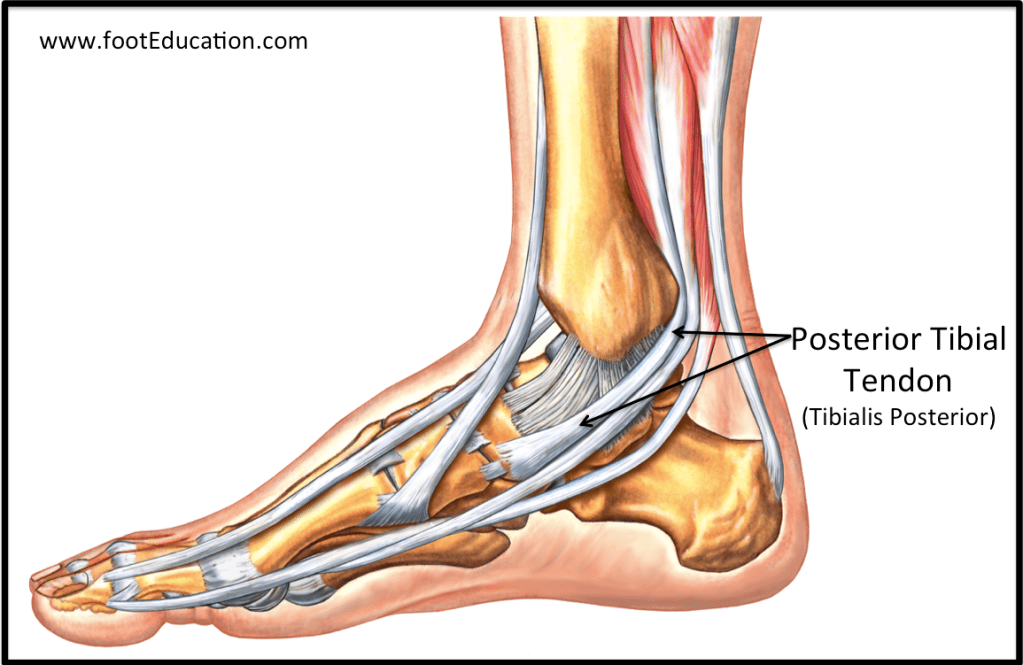
Now for the real reason that this portion of my blog exists how to improve stability at the ankle and hip joints. Rotations are good to work general motion, but not sufficient to improve stability. From above you can see that there 9 connection points for the ankle joint not including the 5 that connect to the toes. Along those 9 primary angles you want to start with unweighted repeated exercise. After you reach the point of wanting to add resistance to these movements there are two ways to add resistance; bands and pressure. If you have access to resistance bands I included an amazon affiliate link if you wish to purchase those; following that you can brace one side against something solid and move your ankle with resistance, but if not then put your foot against the floor first while seated and gradually add your body weight until full body weight is tolerated to the movements. Remembering that the achilles tendon (the most right in the picture) and the two anterior tendons (that are most left) are connected to the largest muscle bellies. These muscle bellies are the easiest to strengthen, so they will be the easiets to train. Don’t forget to stretch all of your muscles in this area or release the muscle bellies by manual release. Beyond that you can add weight to these movements the same way you would add weight with a carry.
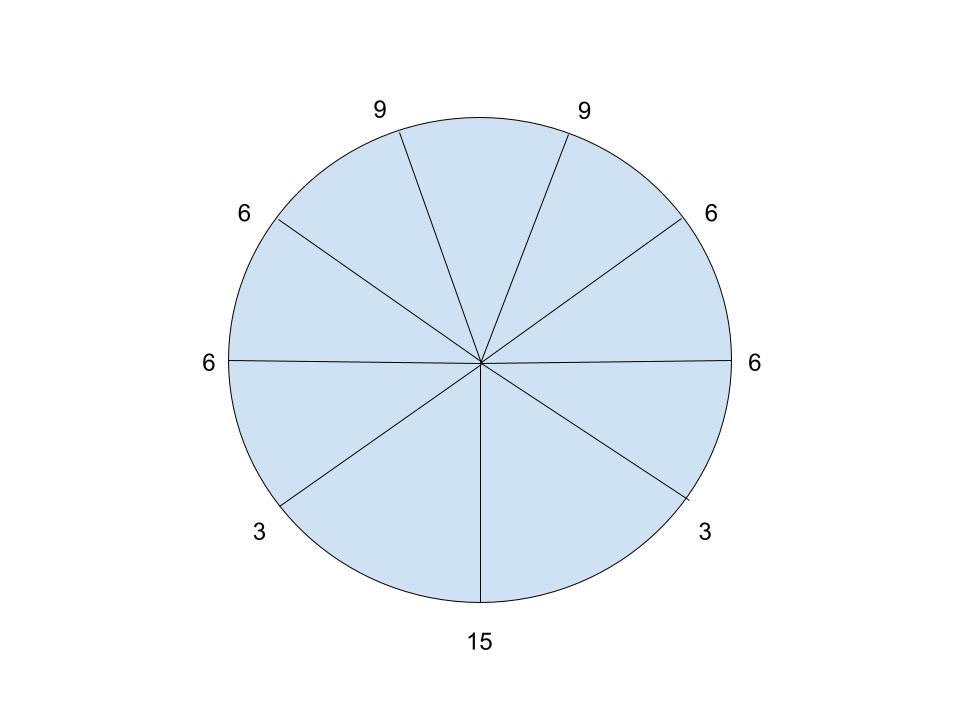
If you go around the clock of all 9 positions starting at the most anterior 1st lateral position you would want to have a relative ratio of: 3,2,2,1,5,1,2,2,3
I created the following image for your printing ease to follow based upon a standard 15 calf raises to help those who want an extra tool.
 MundyWrites
Leave a comment