
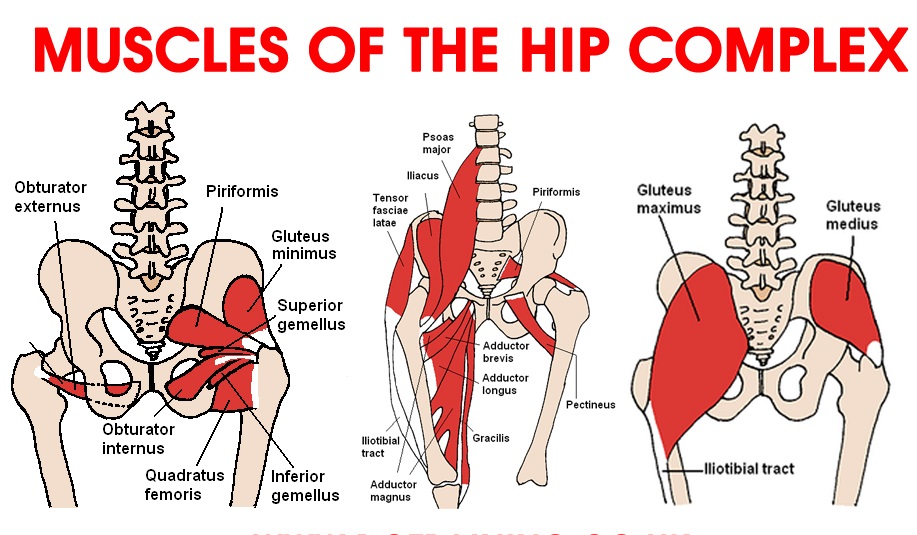
The hip is a very complex component of the human body. As with all complex parts they require maintenance, which for our bodies consists of: free motion, stretching, strengthening, and rest. The two biggest issues that pertain to the hip is lower back pain and sciatic nerve pressure a.k.a. sciatica (condition of thte sciatic nerve). Gotta love how specific medical terminology can be. The sheer number of conditions, inflammations, tumors, and pain is ridiculous. The only cause of sciatica is from the piriformis muscle pressure put against it as it crosses anterior to the nerve. Like with troubleshooting a technician might have you follow procedures you will comply with for results a therapist or doctor may have you believe there is another cause to get you to stretch your piriformis muscle. You can see comparatively where it lines up between the images.
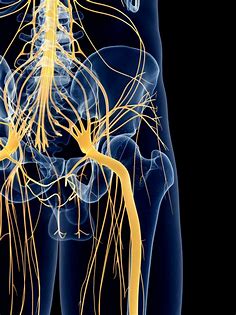
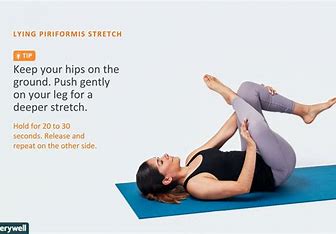
To stretch this muscle it requires a very specific combination of directions to relieve pressure. The more your ankle comes toward your chest while the further your knee goes from your chest will stretch the muscle further. Observing the placement of the hands below will help you to generate the proper torque of an ideal stretch. Working your way up to that level may be necessary, but be aware that until you reach that level your sciatic nerve pain can remain consistent; however, it will solve the problem once you reach the right dynamicity of the muscle.
You want to ensure that the ilipsoas muscle gets stretched. If you didn’t know stretching not only allows the muscle to relax, but also allows it to recover as the muscle fibers heal when inactive. Contracted muscles in the active position reduce their healing capacity, and the reason for lower back pain usually has to do with the ilipsoas muscle as that is the location of its origin (seen as Psoas Major and iliacus above). The stretch for this muscle is exactly the opposite of that which was for the piriformis. Instead of knee to chest it’s back as far as possible with the opposite foot up about a chairs height, and finishing with internal rotation. Any stretch of the iliopsoas will consist of a combination of those movements. One of the bigger picture things you can do is to perform as part of your dynamic stretches and High Intensity Interval Training to include chair steps and mule kicks. For regular exercise you want to include hip bridges or any exercise that includes posterior hip movement and flexion at the knee as opposed to extension.
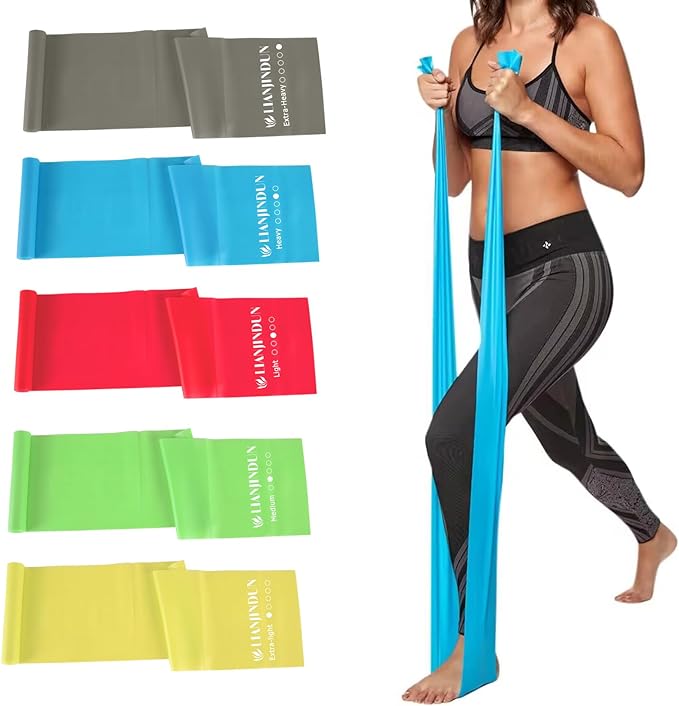
The next thing you need to incorporate is strengthening and stretching for abduction and adduction. Abduct is just a latinized way of saying take away. Adduct is like addition, or when you get people together who have ADD, the problems multiply, and if they divide only the benefits subtract. Your TFL (TensorFasciaLatte) muscle is the muscle to the outside of your hip, which has a short muscle belly and long connective tissue. This is a muscle that needs to be stretched and exercised to give you quick strafing motion, and help control your hips so that your knees don’t take all of the burden of stability. You can use bodyweight to strengthen both by just holding a bar or other stable item and kicking your hip out and then lowering into a straight line and kicking back out with both legs on both sides. You can add weights in your free hand to increase resistance. Beyond this you can use exercise bands to give more resistance or weights on your legs to directly add resistance to the motion of your leg outwardly and inwardly. Below is a linked picture to some inexpensive latex-free resistance bands I have used on amazon.
 MundyWrites
Leave a comment